11 Jul 26
Museums are among the most trusted institutions in America. We hear this a lot. We repeat this a lot. We lean on it.
But we can’t take this trust as a given or for granted. Like a muscle, trust atrophies when we don’t work at it. Trust must be worked regularly and often—even stressed now and again—to retain its strength and prompt growth.
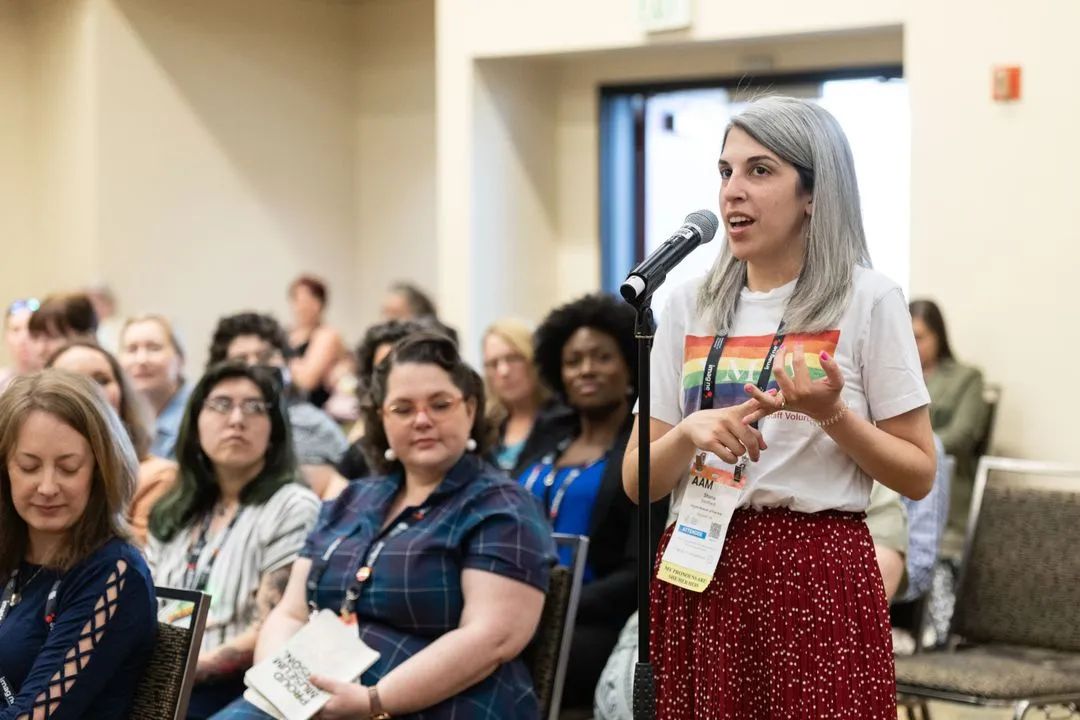
That was the thread running through my recent conversation at AAM with three colleagues who are doing this work at very different scales—Michael Denison from the National Museum of American History, Meeghan Kane from the South Caroliniana State Museum, and Sam Moore from the Missouri Historical Society.
The reach of their museums are different. The lessons are the same: trust is not a reputation you have. It's a practice you keep.
It's not enough to share what you know. You have to share how you know it.
The nineteenth-century museum was built on a particular kind of authority. You had the collection, the expertise, the PhD. You bestowed knowledge upon the masses. That model worked, for a while, because it was the only model.
It doesn't work anymore—not because expertise doesn't matter, but because the public's relationship to expertise has fundamentally changed. In an era of abundant disinformation and uncertainty about AI-generated content, people don't just want to know what you're telling them. They want to understand why they should believe it and why it matters.
That’s a reasonable ask. Transparency is the answer.
Transparency looks different at different scales. For Michael's team at the Smithsonian, a desire for increased transparency has resulted in putting curators on the floor who are available to answer questions and engage in real, person-to-person conversations. These in-person conversations build more than goodwill, they build trust.
Co-creation is the most powerful trust-building tool we have. It's also the most easily misused.
Sam described what it took to build Gateway to Pride, the first major exhibit on queer history in St. Louis. When the project started, the Missouri Historical Society had almost nothing on the topic: few oral histories or objects and barely any archival material. What they had was a community of collectors who had stepped into the gap for decades because no institution had.
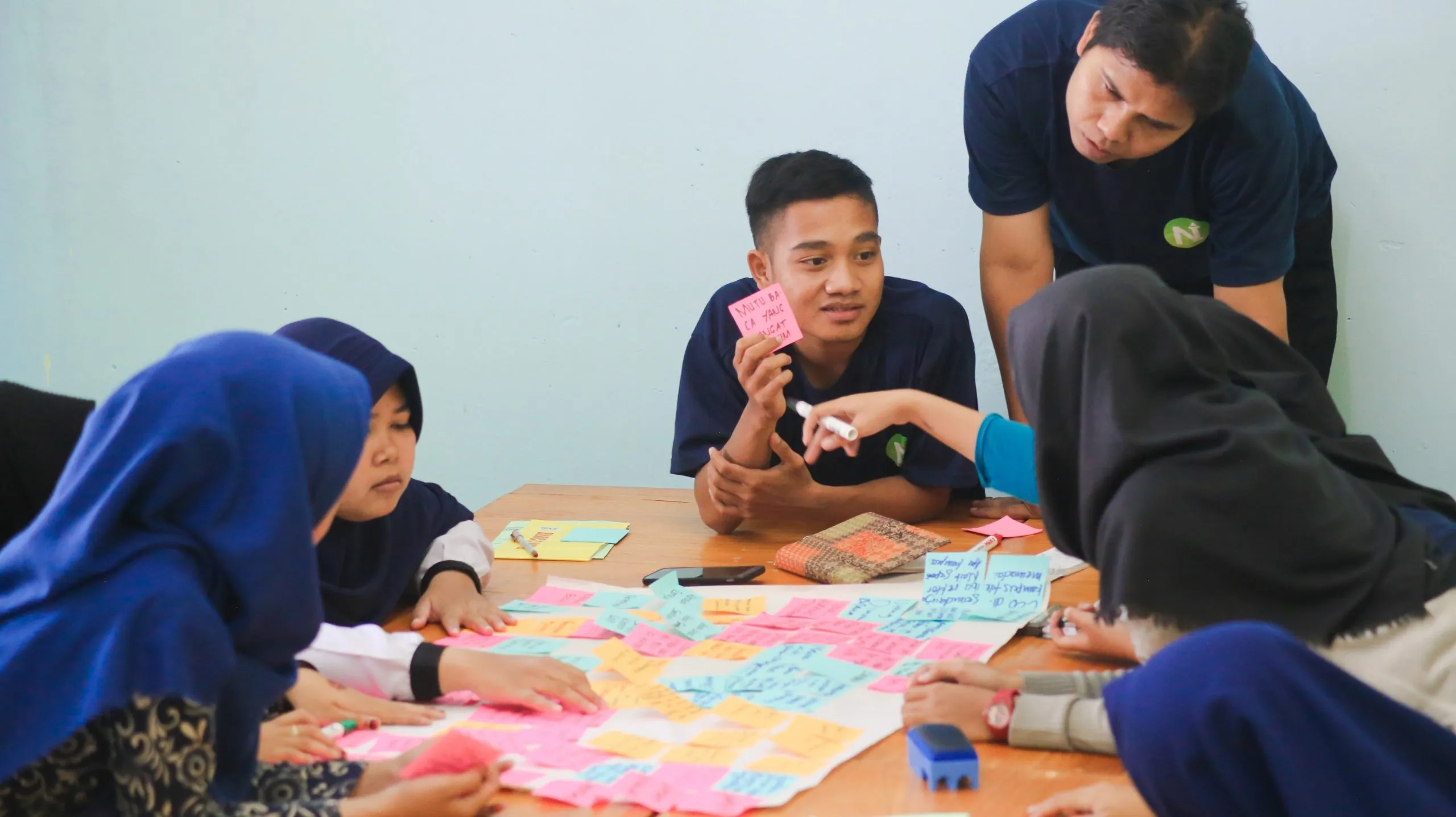
Building the exhibit meant building relationships first. That took years. The advisory group that eventually shaped the project numbered more than thirty people and met over the course of five to six years. Some people were deeply engaged throughout. Others cycled in and out as the project evolved. The exhibit opened, ran for a full year, and told stories that had never been told in a place like MHS before.
And then came the feedback. Not from people who objected to the show—that was minimal. From within the LGBTQI+ community itself. From people who hadn't seen their places, their stories, their era represented. Who were glad the exhibit existed and wished it had reached further.
Sam was direct about what that reveals: "It certainly points to more work we could have done to build a more inclusive and representative advisory group. It also points to the inherent incompleteness of any of this work."
That tension—the gap between what co-creation promises and what any single project can deliver—is worth consideration. Because the answer isn't to stop doing the work. It's to understand that the conversation doesn't end when the exhibit opens. In some ways, that's when it starts. The exhibit becomes a catalyst for a public dialogue that lives beyond the museum walls. That's what good public history actually does.
But it only works if you're ready for it.
What you owe the people you invite in.
Meeghan Kane put it plainly: these are not cheap programs. The Foodways series she described—panels, family-style meals, voices from across South Carolina gathered around Black culinary history—requires real resources, real staff time, and a real long-term commitment. The program is becoming an exhibition in 2028, and the relationships she's helping the museum build now are its foundation.
What that means in practice: you don't invite people in unless you're prepared to actually listen. You don't form an advisory committee without the funding to act on what it tells you. You don't build community trust with a one-off program and move on.
Sam said it this way: "What we owe advisory committee members is organized meetings. Clear agendas. If you're going to bring us your energy, we're going to have places for you to channel that energy. We owe them grace. And we have to back these programs up with the ability to put resources behind what they're recommending."
The challenge of public history, as he put it, is that the public talks back. That's the point. You don't get to be frustrated when the community gives you exactly what you asked for: feedback. Productive tension isn’t a sign that something went wrong. It’s what genuine co-creation sounds like.
Trust built slowly can be lost fast. But relationships hold.
Michael's team at the Smithsonian updated a single graphic in a single case. No announcement. Just a change they'd been planning for a long time. By the next day, it was national news—with before-and-after photos from people who had apparently been documenting displays across the entire institution against exactly this kind of moment.
"We have to make sure that there are, down to our front desk staff, people who have an answer," Michael said. "If an exhibit's closing, everyone knows why. Not because we've been told to close it. Because we've been planning this for years, and here's what's coming next."
That kind of institutional coherence, where the story you're telling internally matches the story your public is hearing,doesn't happen by accident. It's the product of years of relationship-building. Which is also why, as Sam noted, you want those community relationships in place before you need them. "Build allies in your community before you need them. If they're there, they'll advocate for you when you mess up—and we're going to mess up."
The thing that actually builds trust is showing up as you!
The session ended, as good sessions do, with a few pieces of practical advice that landed harder than anything theoretical. Start earlier than you think you need to. Treat co-creation partners as a constellation, not a checklist. Don't insult a community with a one-off initiative.
One more bit of advice: be your authentic self. When building relationships with people in your community, remember that you are more than the title on your business card, and more than a representative of an institution. You are a hiker, a baker, and someone with strong opinions about South Carolina barbecue. Human beings build trust with human beings. Titles don't do it. Authenticity does.
That sounds obvious, because it is. But it's the thing that's most consistently missing in how institutions approach community engagement—the willingness to drop the armor of institutional authority and just be present, curious, and real.
The museums that have gotten this right—the ones generating 63% attendance increases and opening exhibits that become part of a city's self-understanding—are not doing something magic. They're doing the slow, unsexy, relationship-intensive work of showing up for the people they serve.
Because trust isn’t a finish line you cross. It’s the consistent, heart-pumping, self-stretching work you commit to everyday.