18 Feb 26
Libraries are changing to better serve their communities. Shifts in the information landscape, in the demographics of library users, as well as in the philosophies that underpin libraries’ missions have shaken up the traditional image of the library. Over the last decade or so, libraries have installed makerspaces with 3D printers, production studios for aspiring videographers, and brightly-colored, boisterous playspaces for children.
Take a step back and squint at your local library, and it might start to look a lot like a children’s museum.
In this article, we’ll take a look at a few things libraries can learn from children’s museums as they strive to create lifelong library patrons through engaging spaces, experiences, and programming.
Learning Through Play
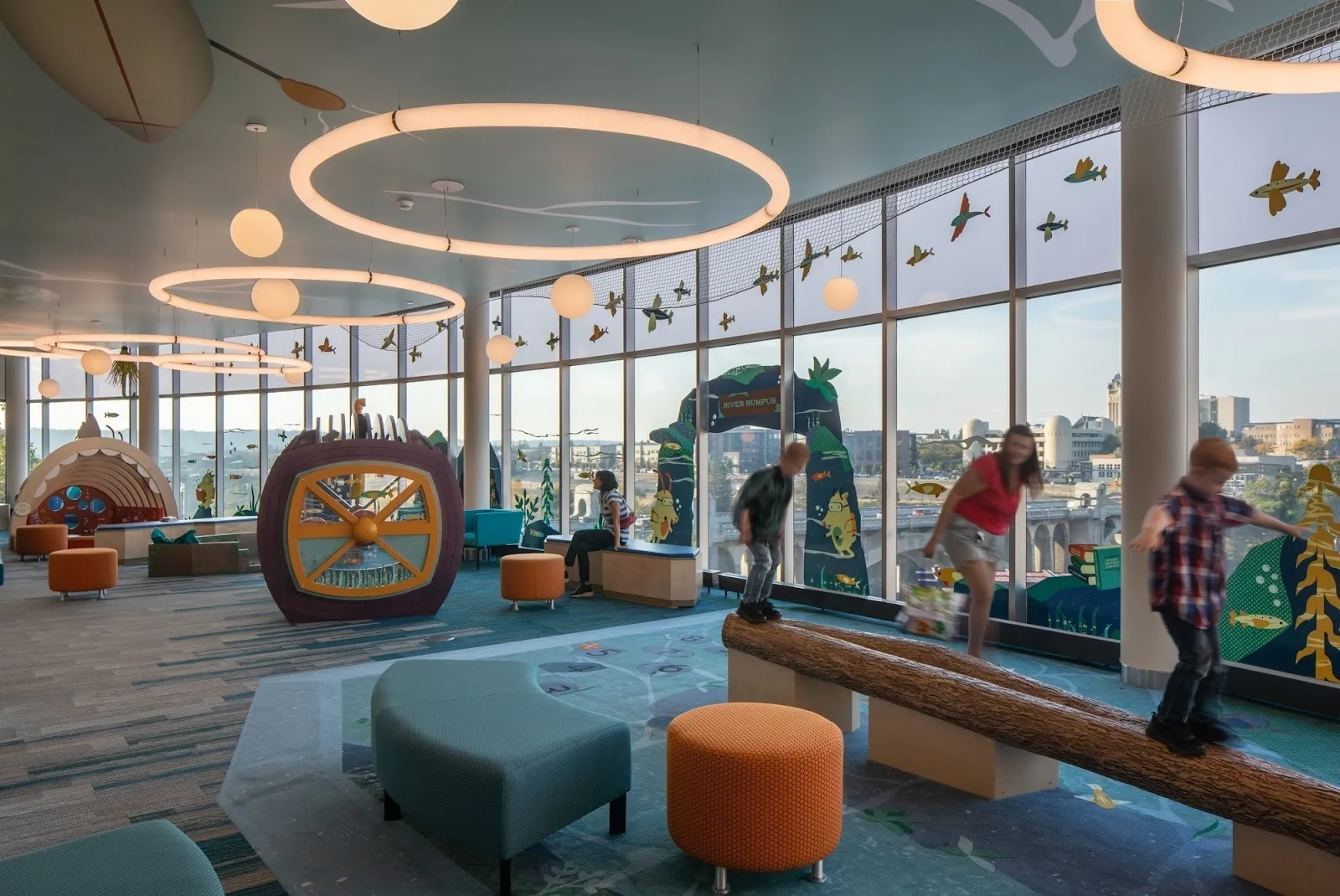
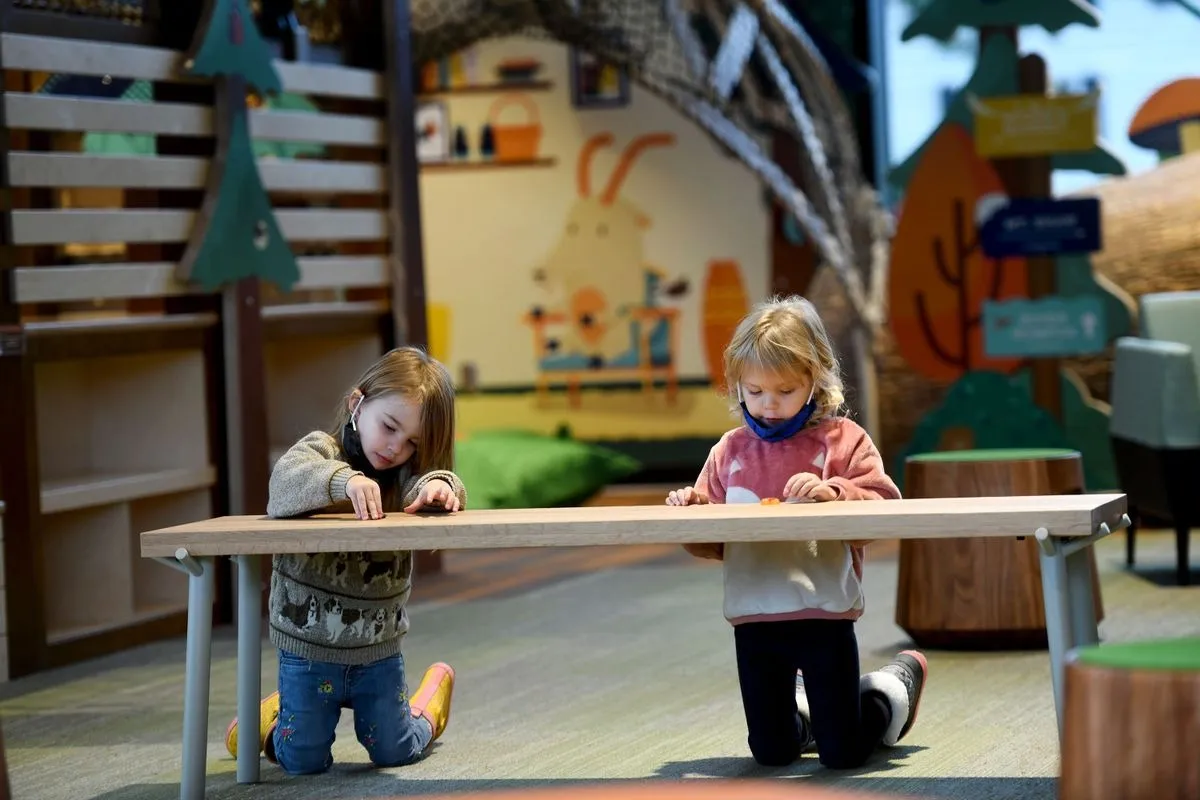
The Every Child Ready to Read program recommends play as one of the five activities that contribute to the development of pre-literacy skills. Beyond pre-literacy, research shows that play is an essential part of childhood development at all ages. Public libraries can embrace the benefits of play by providing literacy-rich play environments that encourage children to stretch their limbs and their imaginations. For Spokane Public Libraries, Luci designed playful environments filled with original characters and books, inviting visitors to immerse themselves in a rich story of their own creation.
Hands-on Activities
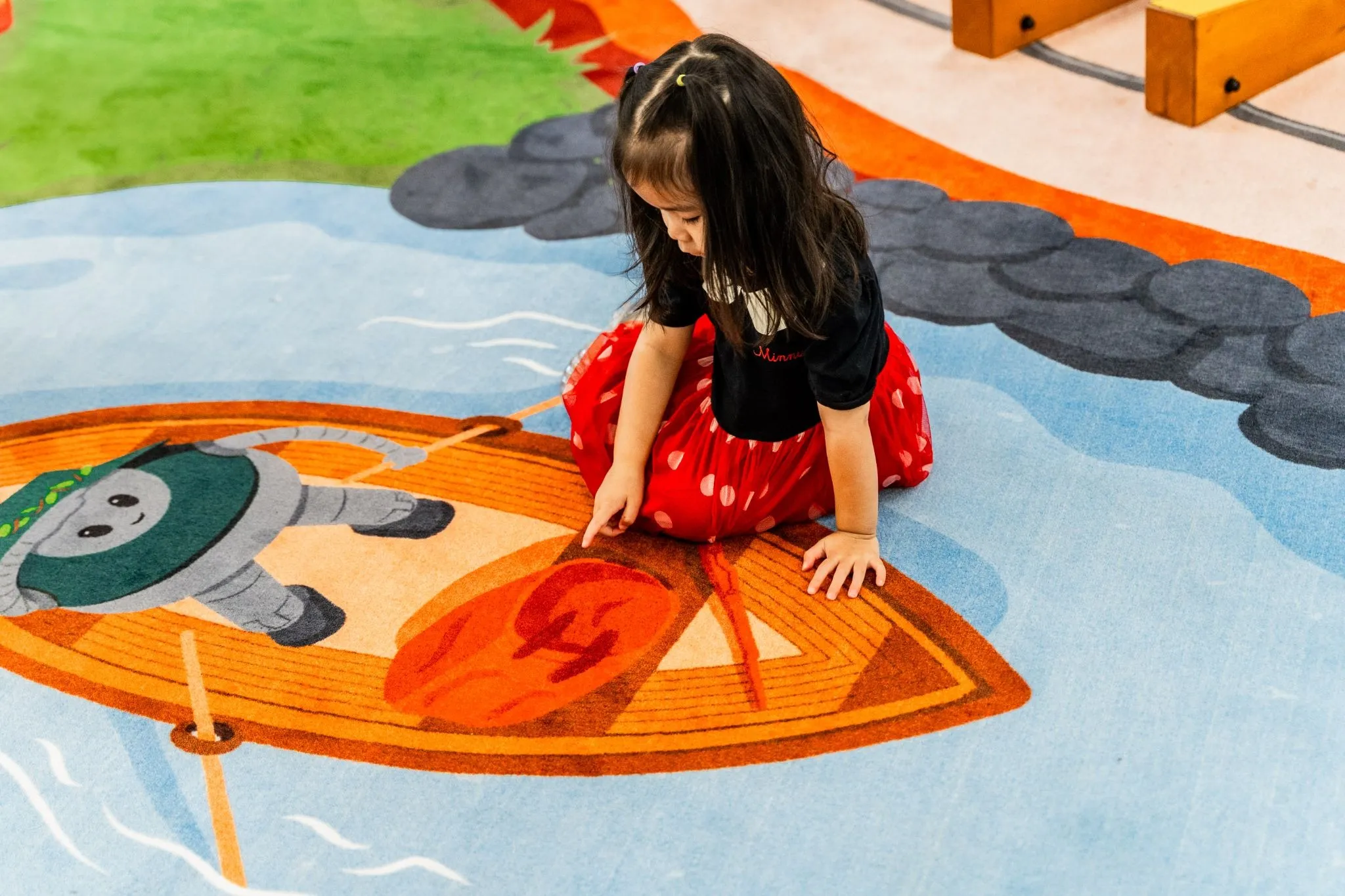
Children’s museums excel at hands-on activities, from mechanical, manipulable interactives, to facilitated creative activities, and immersive environments (more on that below.) While a public library might not want to install a water table with boats and locks, there are plenty of other ways to engage children’s desire to touch the world around them, through experiences that include manual manipulation. If you haven’t already, consider spaces for building toys, and arts programming where children can explore their creativity.
The Physical Power of Play
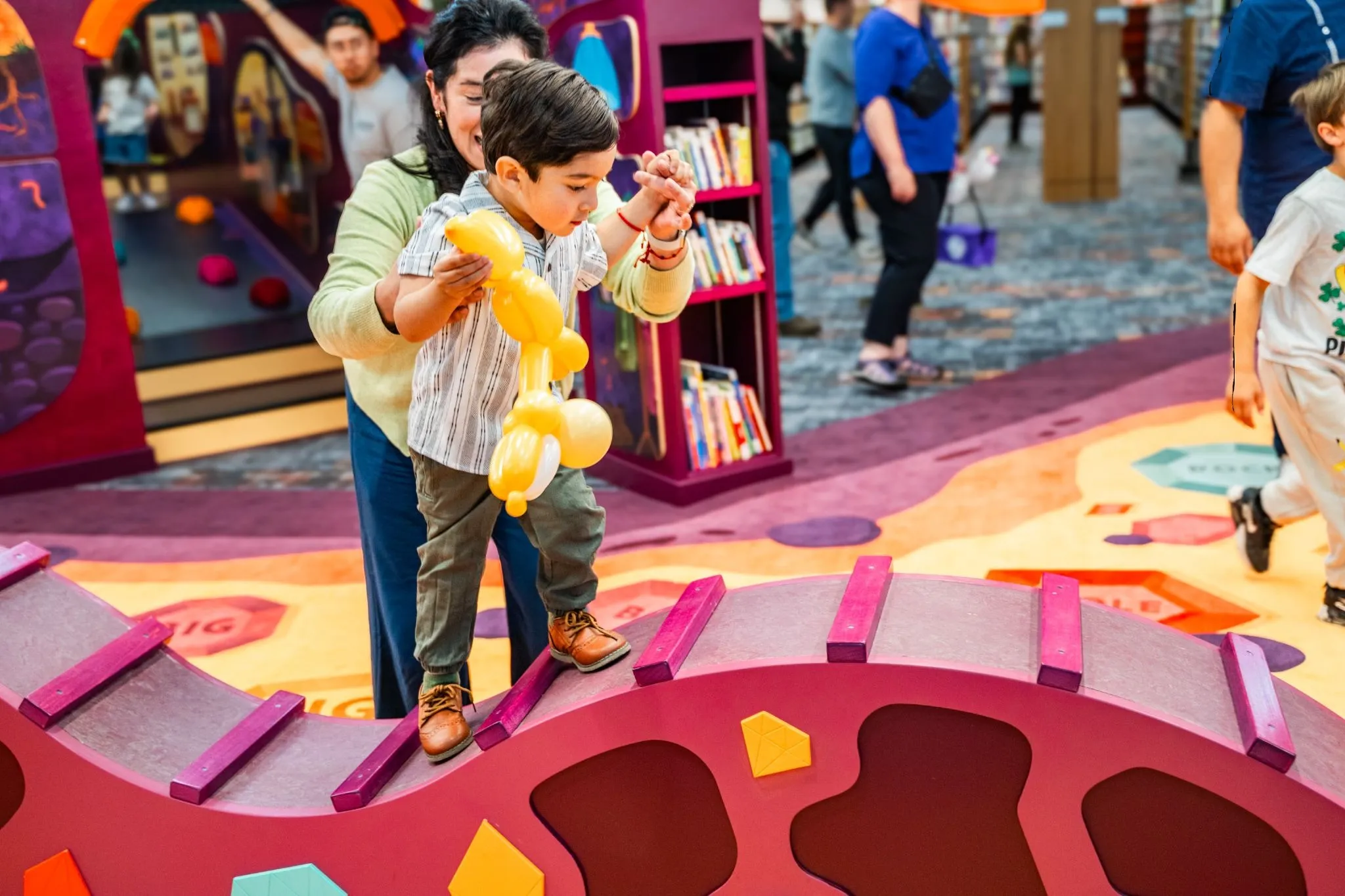
Physical play is crucial for children's learning and development as it engages multiple senses and stimulates the brain. Activities such as climbing, jumping, sliding, and crawling not only promote physical health but also enhance cognitive functions. Through physical play, children improve their coordination, balance, and motor skills, laying a foundation for more complex physical activities and academic tasks.
Additionally, physical play encourages social interaction and cooperation among children, fostering teamwork and communication skills. Playful activities teach children valuable lessons in sharing, taking turns, and resolving conflicts, and contribute to their emotional and social development.
The nature of physical play also facilitates a hands-on approach to learning, allowing children to experience concepts in a tangible way, making abstract ideas more concrete. Ultimately, the integration of physical play into library settings creates a holistic learning experience that addresses both the physical and intellectual aspects of a child's growth.
Immersive Spaces
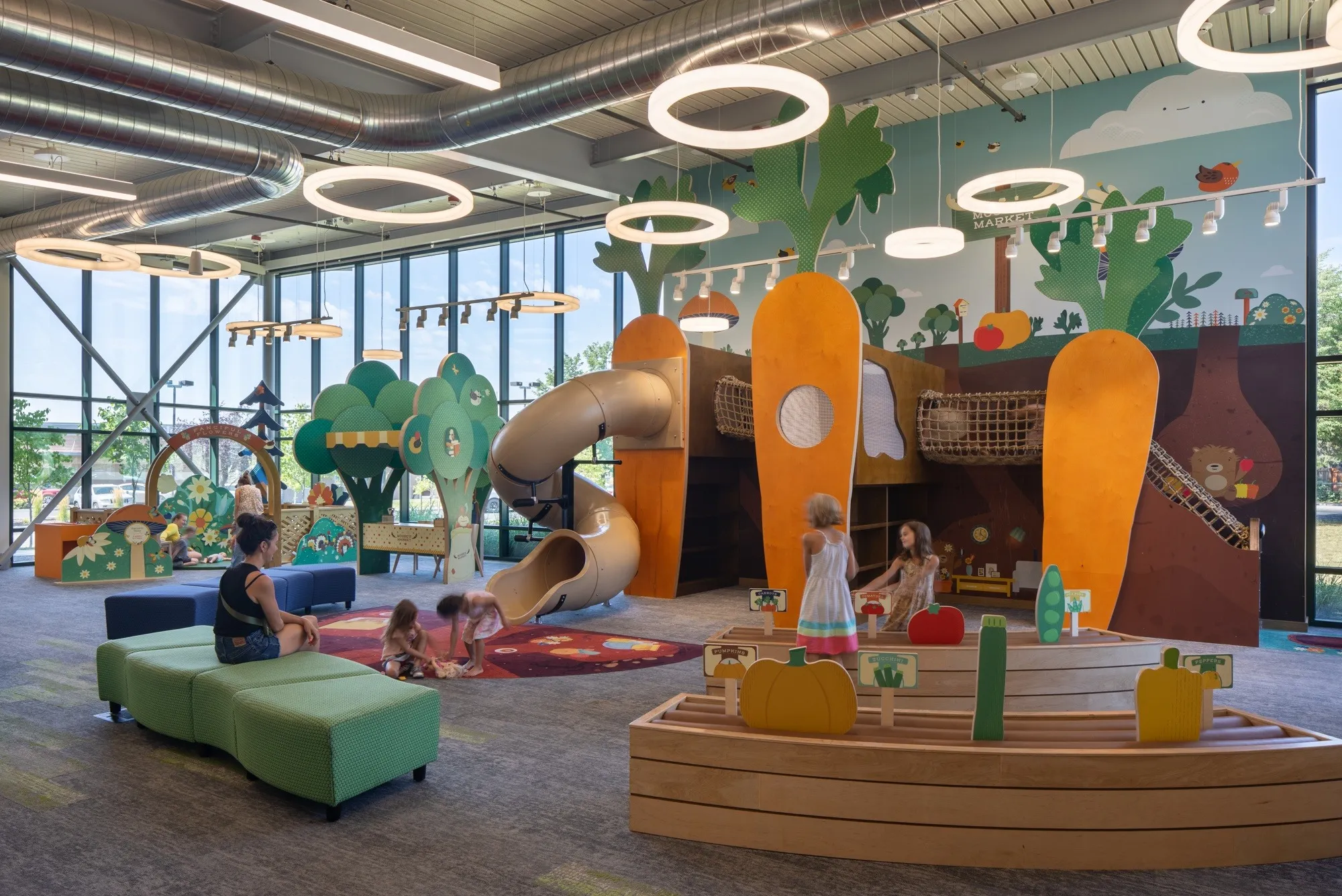
Children’s capacity for imagination is boundless. Children’s museums tap into this sensitivity with spaces that simulate the real world to help children develop comfort and familiarity with the world around them. For example, many children’s museums include a reproduction doctor's office complete with costume scrubs and toy stethoscopes. The opportunity to explore, touch, and act out roles helps children try out these potentially unfamiliar spaces and expands their understanding of the world.
All Ages Activities
Children’s developmental needs change as rapidly as their shoe size. Children’s museums tackle this challenge with a variety of spaces, activities, and experiences that meet the developmental needs of children of all ages and abilities. By providing spaces and activities for pre-walkers, early elementary and late elementary children, and beyond, libraries can help ensure that their visitors keep coming back to the library as they grow and develop.
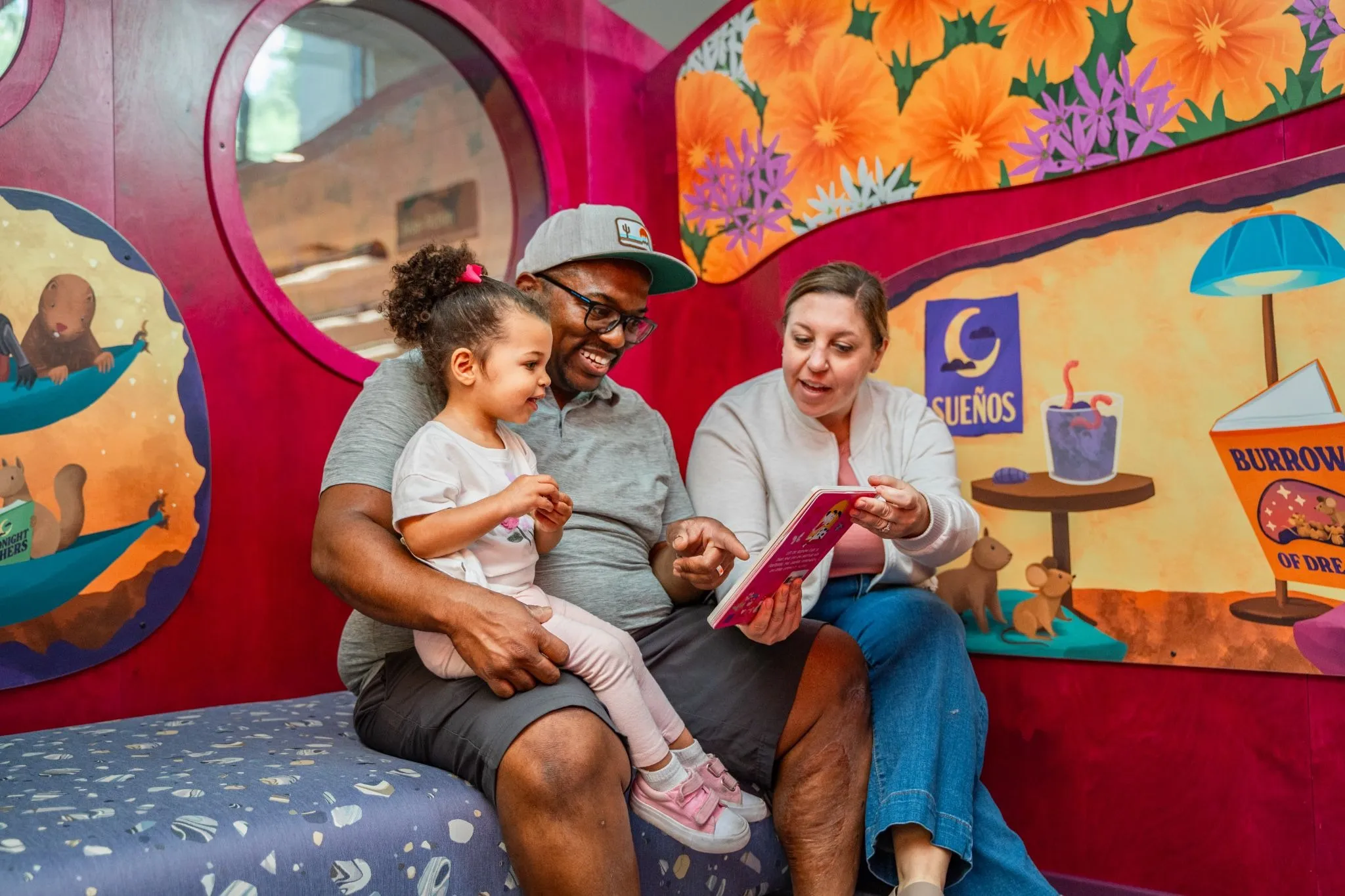
Beyond children of all ages, include caregivers in your primary audience. Children’s museums excel at creating exhibits and interactives that actively involve parents, grandparents, or nannies; encouraging them to leap into the action with their young ones rather than sitting passively on a nearby bench.
Infusing Some “Character”
The Discovery Museum has Bessie the Dinosaur. The Please Touch Museum has Squiggles. Does your library have a mascot or any recognizable characters?
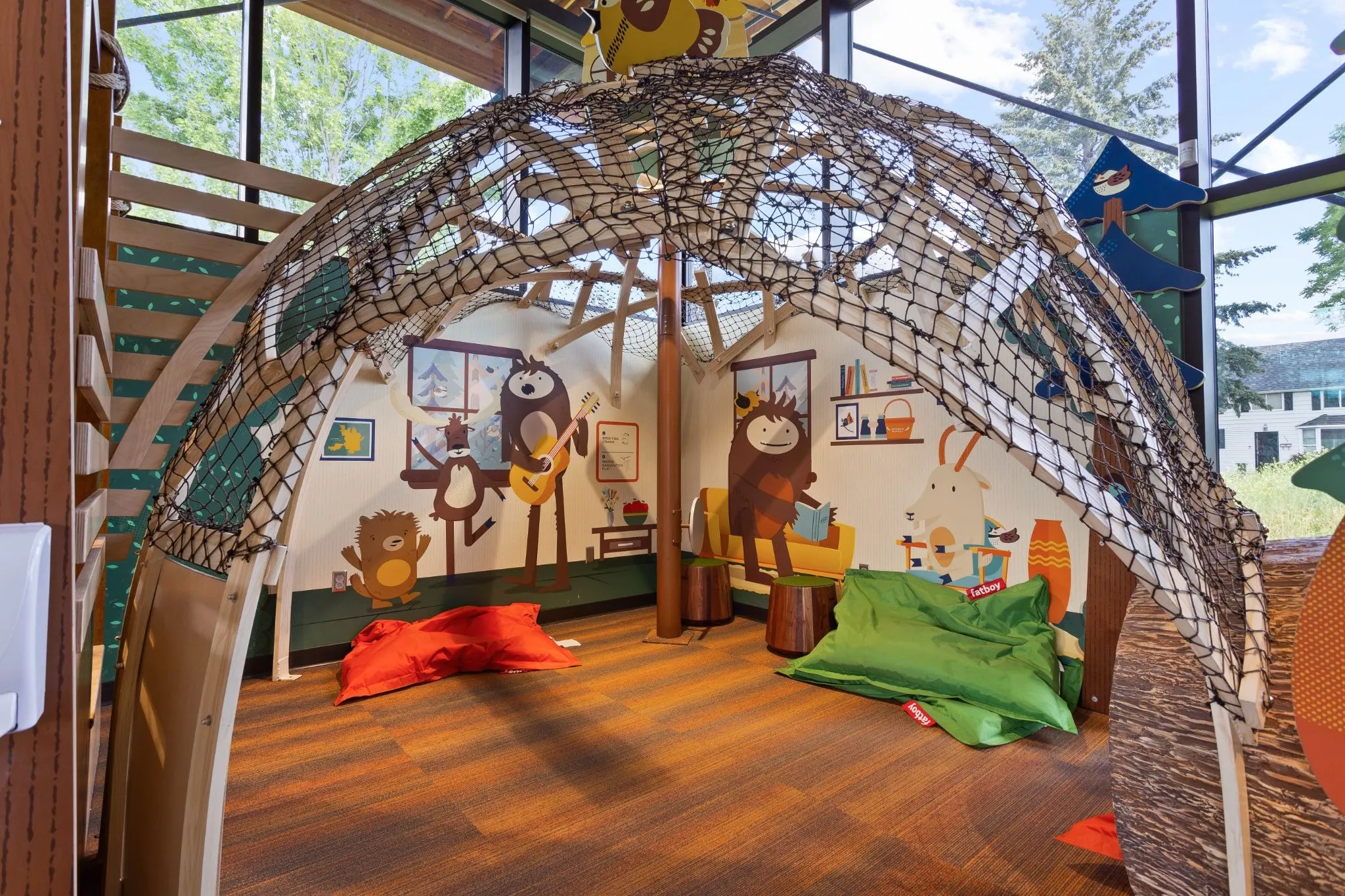
For the Spokane Public Library system, Luci’s team created a cast of characters derived from local animals—one for each library playspace. One branch was situated in a neighborhood notorious for its population of wild turkeys. Another became the home for a mysterious denizen of the woods—a friendly sasquatch.
In addition to starring in the playspaces themselves, these characters are great branding and identity tools for marketing collateral, library card designs, tote bags, t-shirts, and even stuffed animals for purchase.
Conclusion
Children’s museums and libraries have so much in common. From their missions to their methods, these considerations are a few among many possibilities.
Next time you’re at your local children’s museum, take a look around and ask yourself: What can I borrow for my library children’s area?